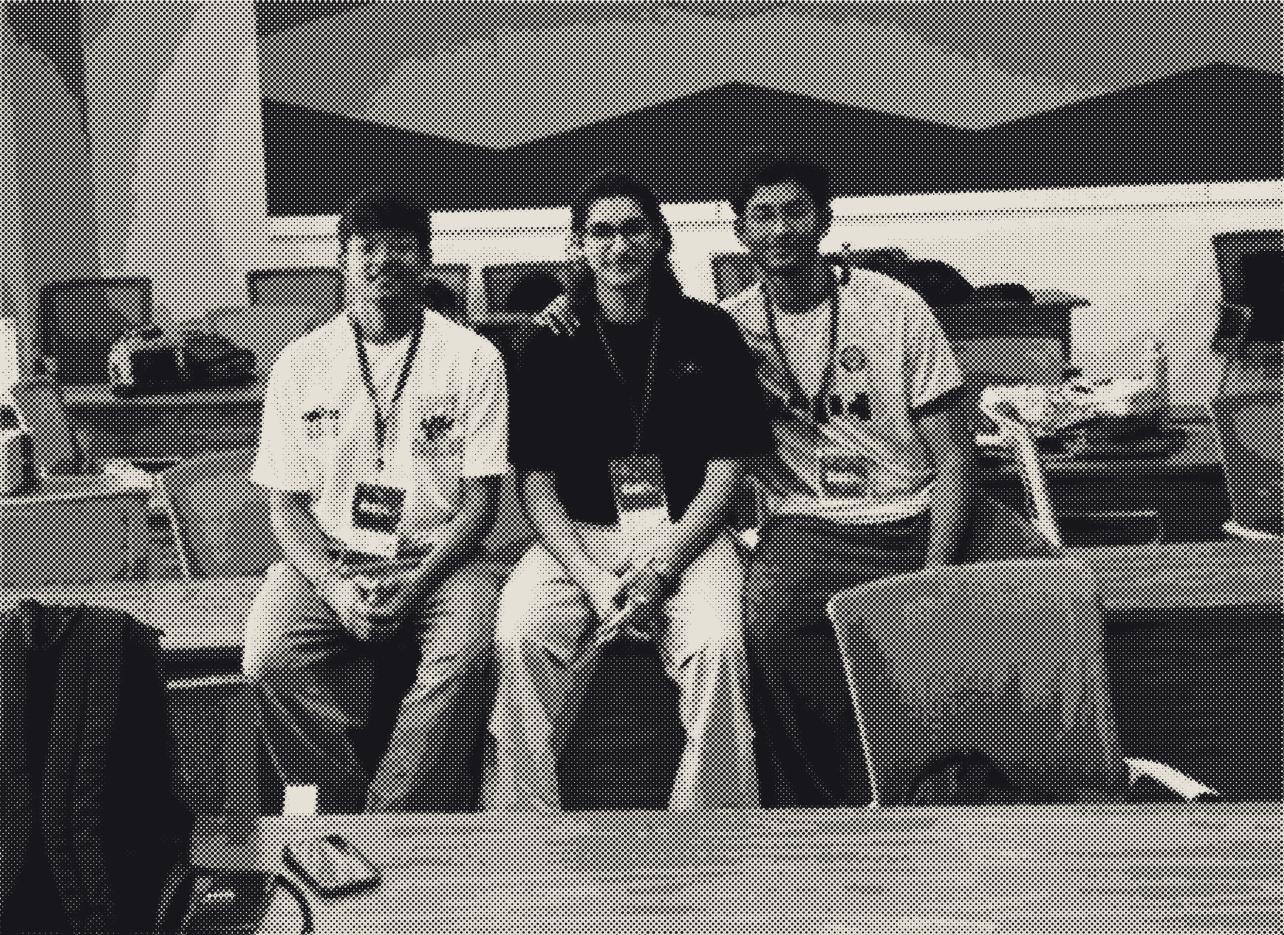
Jaipur — Okay, upfront: we didn’t win. Saying that in sentence two so this doesn’t read like it’s building to a twist it doesn’t have. Full disclosure now, actual story after.
MUJ HackX 4.0 is 36 hours, which sounds like a normal amount of time to build something until you’re eleven hours in and your only two food groups have become chai and vending machine Maggi. My teammate and I signed up as Null Pointers — a name picked at 11 PM with zero foresight into how many times we’d have to say it out loud to judges with a straight face — and got handed a 106-page problem statement booklet like it was a phone book from a city we’d never visited.
We landed on Edtech, specifically the “AI-native learning workspace” one, mostly because every other team in a five-metre radius was already whiteboarding some version of “upload your notes, chat with your notes,” and doing the exact same thing felt like showing up to a costume party as someone else’s costume. So we went looking for the one thing every study tool quietly skips — actually diagnosing why you got something wrong instead of just marking it wrong — and built SLATE around that instead.
The 36 hours themselves blur the specific way sleep deprivation blurs things — not gone, just filed somewhere without timestamps. I remember the exact second the diagnosis loop returned its first genuinely correct misconception on a document neither of us had tested it against, and I remember that more clearly than I remember most of the actual demo, which probably says something about which part of hackathons I actually show up for. Somewhere in the middle of all that, the hallway stopped being a hallway and turned into one very long, very loud room of other people’s laptops doing the same thing ours was, at the same volume, on the same four hours of sleep.
We got it working. It ran live, off my laptop, in front of judges, without dying — which at hour 34 counts as a personal triumph regardless of what the scoreboard says afterward. We didn’t place. I’d still do the whole 36 hours again for the ten minutes where the misconception detector worked exactly like I’d hoped, on the first real document we ever threw at it, live, with no rehearsal, no safety net, and no idea it was about to work until it did.